Why factories and warehouses require zone-specific controls#
Industrial sites have constant movement of people, vehicles and goods. Security controls should therefore be designed for each zone rather than applied uniformly across the entire site.
1. Main entrances#
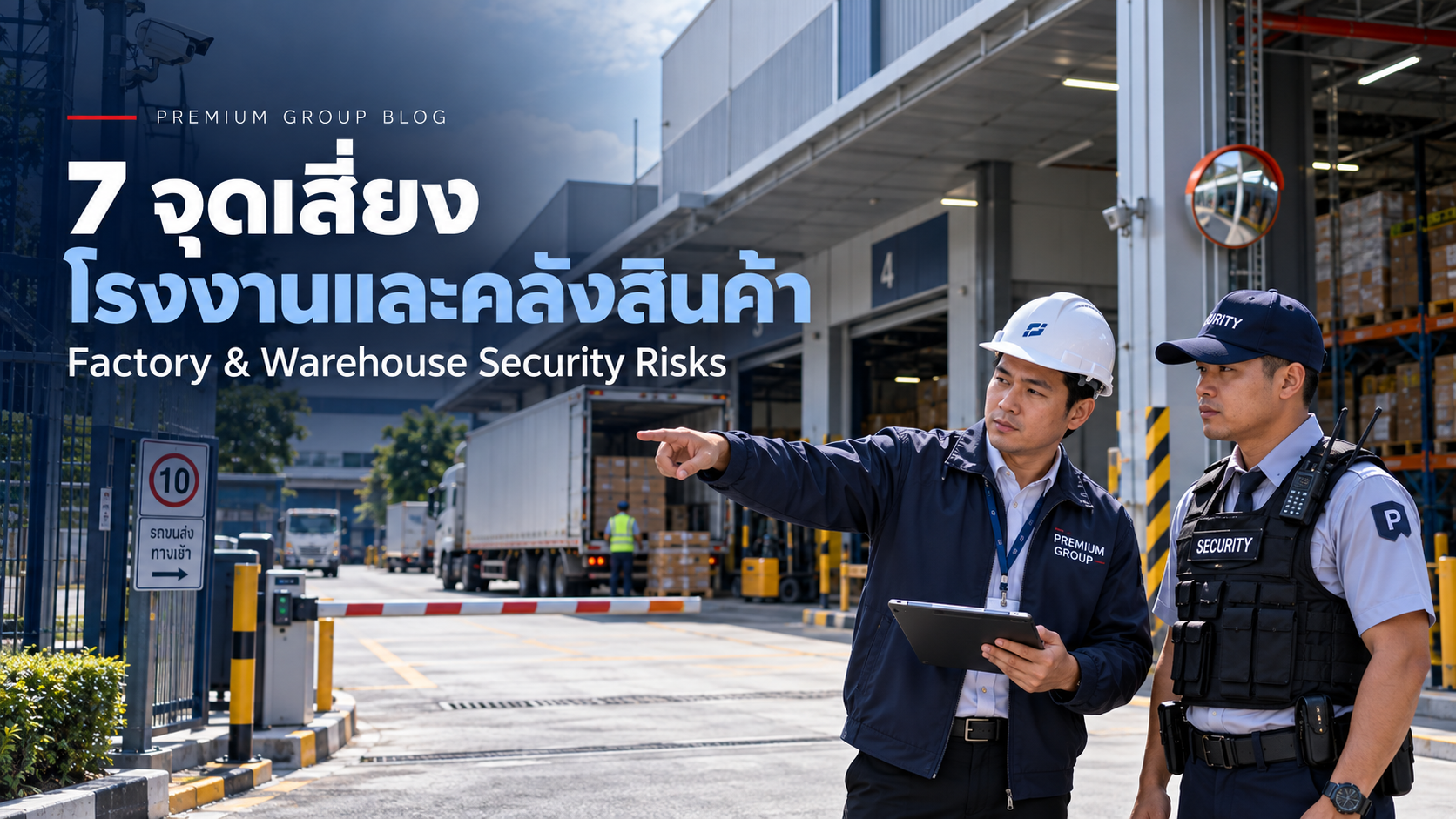
Employees, contractors, visitors and delivery vehicles converge here. Weak verification or congestion can cause critical checks to be skipped.
2. Secondary and rarely used gates#
These points often receive less attention but should be reviewed regularly for locking, activation, lighting and camera coverage.
3. Loading bays#
High volumes of vehicles and goods make identity, documentation, timing and waiting-zone controls especially important.
4. Blind spots between buildings and perimeter lines#
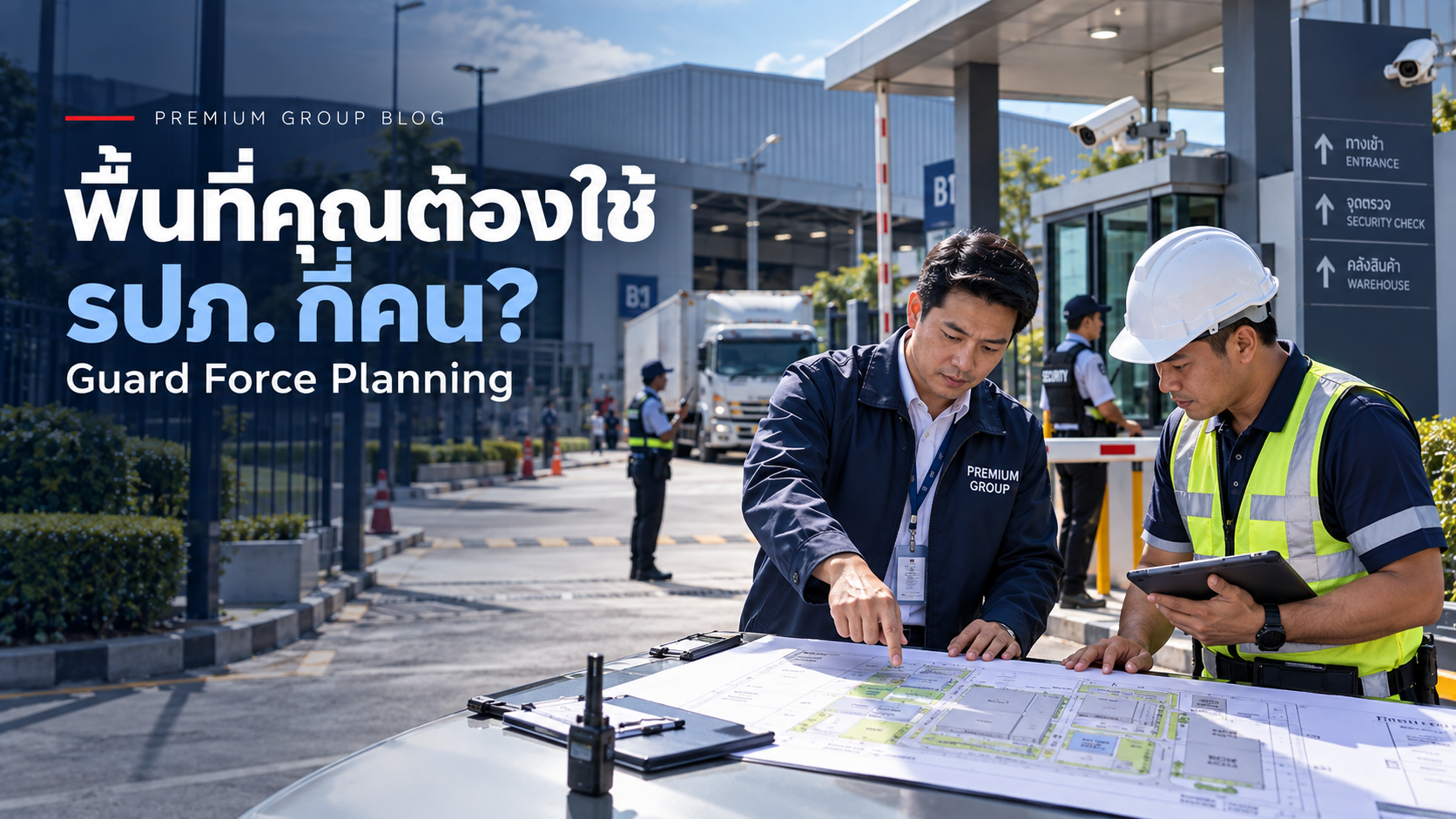
Large structures, containers and stored goods can create areas that are difficult to observe. Site surveys are essential for patrol and CCTV design.
5. High-value storage#
These areas benefit from layered controls such as restricted access, access logging, camera coverage and controlled movement procedures.
6. Shift changes and off-hours#
Security conditions can change significantly at night, on holidays or during shift transitions when staffing is lower.
7. Incident handover and escalation#
Without consistent reporting and follow-up, incidents may be solved temporarily but provide no learning for future prevention.
Ways to reduce risk#
- Assess risk by zone
- Align fixed posts and patrol routes with risk
- Review CCTV and lighting coverage
- Control visitor, contractor and vehicle access
- Standardize incident escalation
- Review historical incidents and adjust controls
Conclusion#
Factory and warehouse security should be designed around the flow of people, vehicles, goods and zone-specific risk—not guard headcount alone. Integrating people, process and technology creates a more reliable and measurable security operation.