What is a Security Risk Assessment?#
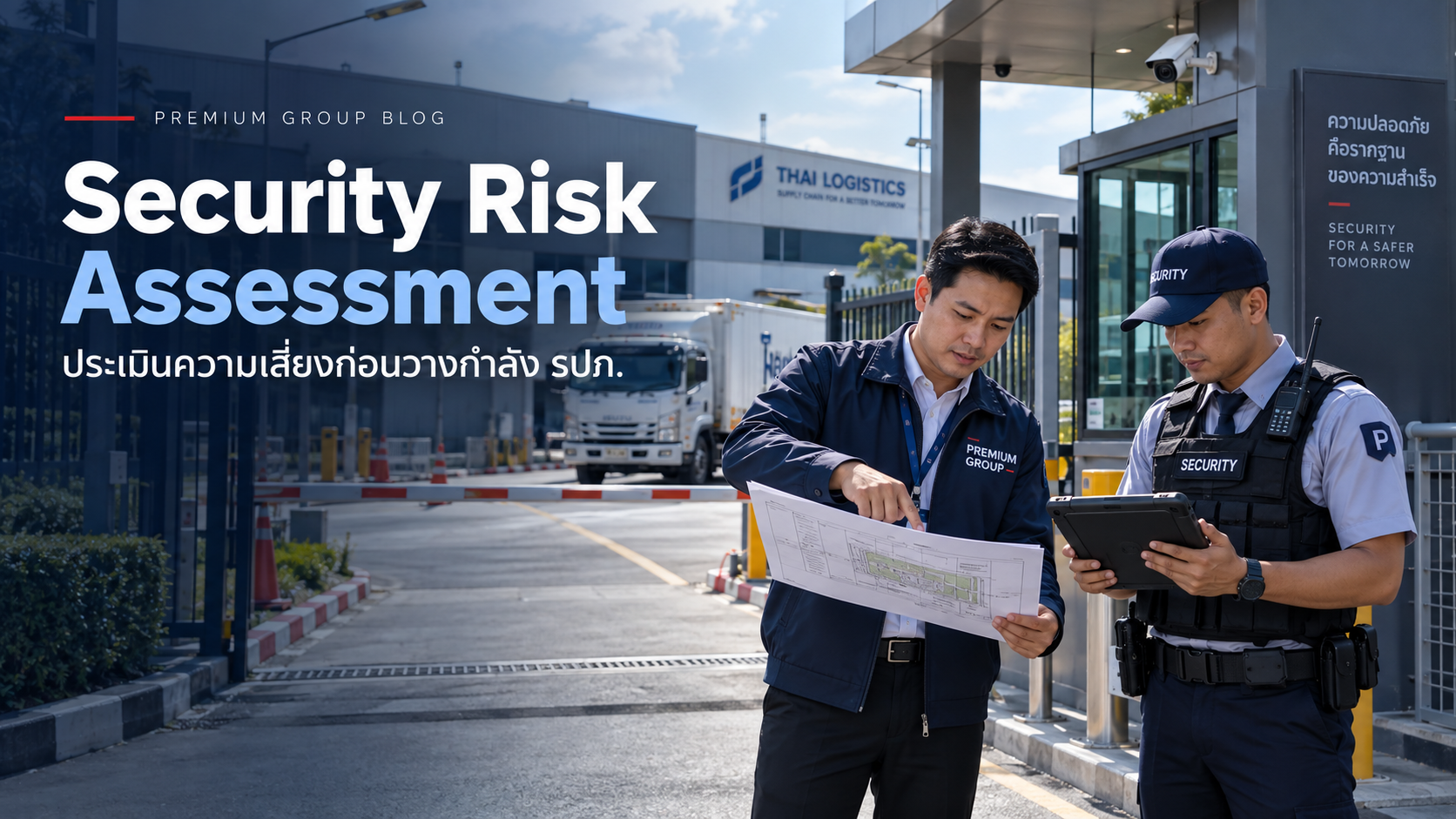
A Security Risk Assessment is a structured process for identifying what an organization needs to protect, which threats may affect it, where vulnerabilities exist, and how severe the impact could be if an incident occurs.
For organizations planning security guard services, asking only “How many guards do we need?” is rarely enough. Two sites of similar size can have very different risk profiles.
Five core elements#
1. Asset#
Identify people, facilities, equipment, inventory, information and critical areas that require protection.
2. Threat#
Consider intrusion, theft, loss, unauthorized access, disruption, accidents and other relevant scenarios.
3. Vulnerability#
Look for weak points such as blind spots, poorly controlled entrances, perimeter limitations or low-staffing periods.
4. Impact#
Assess potential consequences for safety, property, operations, reputation and business continuity.
5. Control#
Review existing measures including guards, CCTV, access control, visitor management, alarms and incident-response procedures.
Why assess risk before deploying guards?#
Guard deployment should follow risk rather than floor area alone. Some locations need a permanent post while others may be covered more effectively through patrols and technology.
- Avoid unnecessary manpower
- Prevent under-resourcing at critical points
- Design patrol routes around actual risk
- Position CCTV and access controls more effectively
- Prioritize security investment
From assessment to a security plan#
The findings can be translated into staffing, fixed posts, patrol routes, schedules, access procedures, incident reporting and supporting technologies.
Conclusion#
Effective security begins with a clear understanding of real site risk. A structured assessment helps organizations improve protection, control cost and reduce gaps that may lead to incidents.